
Dental Inlays and Onlays in Blackwell, OK
Learn how dental inlays and onlays restore damaged teeth right here in Blackwell, OK. Accepting Medicaid & most insurance. Book today. Call us.
If your tooth has damage that is too large for a filling but not severe enough to require a full crown, dental inlays and onlays may be the right answer. These custom-made restorations fit precisely into your tooth, preserving more of your natural structure than a traditional crown. At Northern Oklahoma Dental Associates, we offer this conservative treatment right here in Blackwell so you don’t have to travel out of town. We welcome new patients, accept Medicaid and most insurance plans, and Dr. Matthew Byrne takes the time to explain every option so you feel confident in your decision.
What Are Dental Inlays and Onlays?
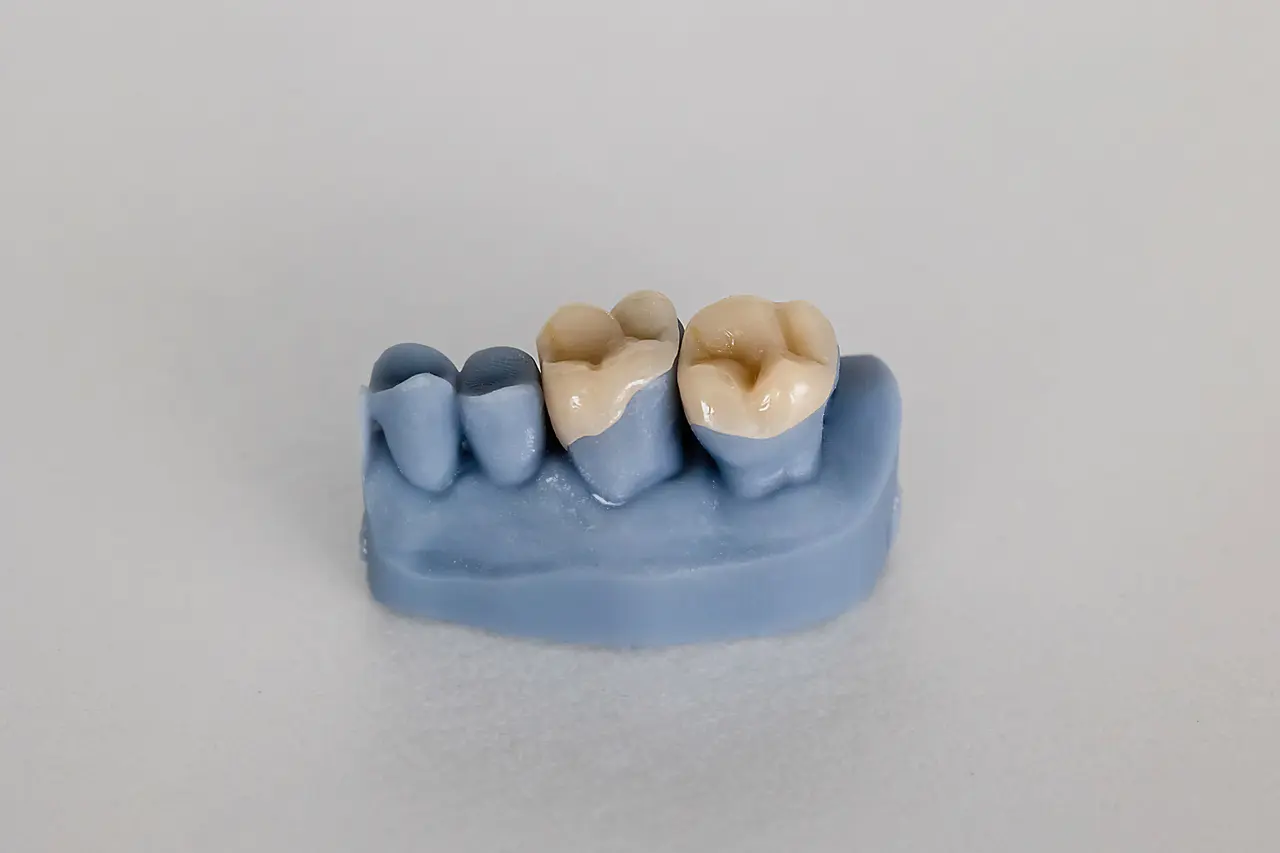
Dental inlays and onlays are indirect restorations made from high-quality materials like porcelain or composite resin. They are created in a dental lab from digital impressions of your tooth and then bonded into place. Both inlays and onlays are designed to restore a tooth’s strength and function while keeping as much healthy enamel as possible.
Inlays — Restoring the Biting Surface
An inlay fits inside the chewing surface of your tooth, between the cusps. It is a good choice when the damage or decay is contained within the center of the tooth and the surrounding cusps are still healthy and strong.
Onlays — When Damage Reaches the Cusps
An onlay is often called a partial crown because it covers one or more cusps of the tooth. It is used when the damage extends further than a typical inlay can address but still leaves enough healthy tooth to avoid a full crown.
Benefits of Choosing an Inlay or Onlay
Choosing an inlay or onlay offers several advantages over a traditional filling or crown:
- Preserves healthy tooth structure — less enamel is removed compared to a crown.
- Custom-fit precision — digital impressions create a restoration that fits snugly and comfortably.
- Durable materials — porcelain and resin inlays and onlays can withstand years of chewing pressure.
- Natural appearance — the restorations match the color and translucency of your surrounding teeth.
Inlay vs. Onlay vs. Crown — Which Do You Need?
The main difference is how much of the tooth is covered. The table below compares these three options to help you understand which may be right for your situation.
| Feature | Inlay | Onlay | Dental Crown |
|---|---|---|---|
| Area of tooth restored | Inside the biting surface, between cusps | Covers one or more cusps | Covers the entire tooth |
| Amount of natural tooth removed | Minimal | Moderate | Significant |
| Typical use case | Small to moderate decay or damage within cusp boundaries | Moderate decay or damage that includes cusps | Extensive decay, cracks, or after a root canal |
| Material options | Porcelain, composite resin, gold | Porcelain, composite resin, gold | Porcelain, ceramic, metal, zirconia |
| Approximate longevity | 10–15+ years with good care | 10–15+ years with good care | 10–15+ years with good care |
If the damage is limited, an inlay may be all you need. If the cusps are involved, an onlay is often a better fit than a full crown. When the tooth is too weak or broken for either, a dental crown is the right choice. For very small areas of decay, a dental filling or dental bonding can be enough. Dr. Byrne will evaluate your tooth and explain which option matches your needs.
What to Expect During Your Appointment
The process for inlays and onlays typically requires two visits. We make sure you understand each step so there are no surprises.
Your First Visit — Evaluation and Impressions
Dr. Byrne examines the tooth, removes any decay or old filling material, and takes a digital impression using our iTero scanner. A temporary restoration is placed to protect your tooth while the permanent inlay or onlay is fabricated at the lab.
Placement Visit — Fitting Your Restoration
During the second visit, we remove the temporary restoration and check the fit of your new inlay or onlay. If everything looks good, we bond it securely into place and polish it to blend with your natural tooth. You leave with a fully restored tooth that feels and functions naturally.
Frequently Asked Questions About Inlays and Onlays
How long do dental inlays and onlays last?
With proper oral hygiene and regular dental checkups, inlays and onlays can last 10 to 15 years or longer. They are made from strong materials designed to withstand daily chewing.
Are inlays and onlays covered by insurance?
Most dental insurance plans cover inlays and onlays similarly to crowns when the procedure is medically necessary. We also accept Medicaid and offer CareCredit financing. Visit our Insurance & Financing page for more details, or give us a call to verify your coverage.
Is the procedure painful or uncomfortable?
We use local anesthetic to numb the area before any work begins. Most patients feel little to no discomfort during the procedure. If you tend to feel anxious, we offer sedation options to help you relax.
How do I know if I need an inlay, onlay, or a crown?
Dr. Byrne will examine your tooth and take X-rays to determine the extent of the damage. He’ll explain your options clearly and recommend the restoration that keeps the most healthy tooth structure while giving you a strong, long-lasting result.
If your tooth has moderate damage and you want a conservative, durable solution, dental inlays and onlays might be exactly what you need. We are here to answer your questions and help you take the next step.
Ready to Schedule Your Visit?
Whether you need a routine cleaning or are ready to transform your smile, our Blackwell team is here and accepting new patients.