
Dental Sealants for Kids in Blackwell, OK
Protect your child's teeth with preventive dental sealants for kids at our Blackwell, OK office. Most insurance accepted. Call or book online today.
At Northern Oklahoma Dental Associates, we know that keeping your child’s smile healthy is a top priority. One of the easiest and most effective ways to prevent cavities is with dental sealants for kids. These thin, protective coatings are painted onto the back teeth to seal out food and bacteria. We accept most insurance plans, including Medicaid, and we always welcome new patients. If you’re looking for a gentle, family-friendly dentist in Blackwell, you’ve come to the right place.
Book Your Child’s Sealant Appointment
What Are Dental Sealants and How Do They Work?
Dental sealants are a simple preventive treatment. Think of them as a raincoat for your child’s molars. The back teeth have deep grooves where food and plaque get stuck. A sealant is a thin, plastic-like material that flows into those grooves and hardens, creating a smooth surface that’s easy to brush clean. The whole process takes just a few minutes per tooth and requires no drilling or shots. It’s a straightforward way to stop cavities before they start.
Why Dental Sealants for Kids Are Worth It (Benefits/Value)
Sealants are one of the most cost-effective preventive tools in dentistry. They reduce the risk of cavities in molars by nearly 80% during the first two years after application. For parents, that means fewer fillings and less worry. Plus, sealants are covered by most insurance and Medicaid, often at no out-of-pocket cost. Dr. Matthew Byrne recommends them for children soon after their permanent molars come in.
Which Teeth Get Sealed — and When
The most common teeth to seal are the permanent molars. The first molars usually erupt around age 6, and the second molars around age 12. Sometimes premolars (the teeth just behind the canines) benefit from sealants too. The best time to apply them is as soon as the tooth has fully come through the gum, so the grooves haven’t had time to collect decay.
Sealants vs. No Sealants: Cavity Risk Without Protection
Without sealants, the deep pits and fissures on molars are prime spots for cavities. Even the best brushing can miss these tight spaces. When food and bacteria settle there, acid attacks the enamel. Over time, a cavity forms. Dentists then have to treat it with a filling or crown. Sealants give that extra layer of defense during the cavity-prone childhood years.
What to Expect During the Sealant Appointment
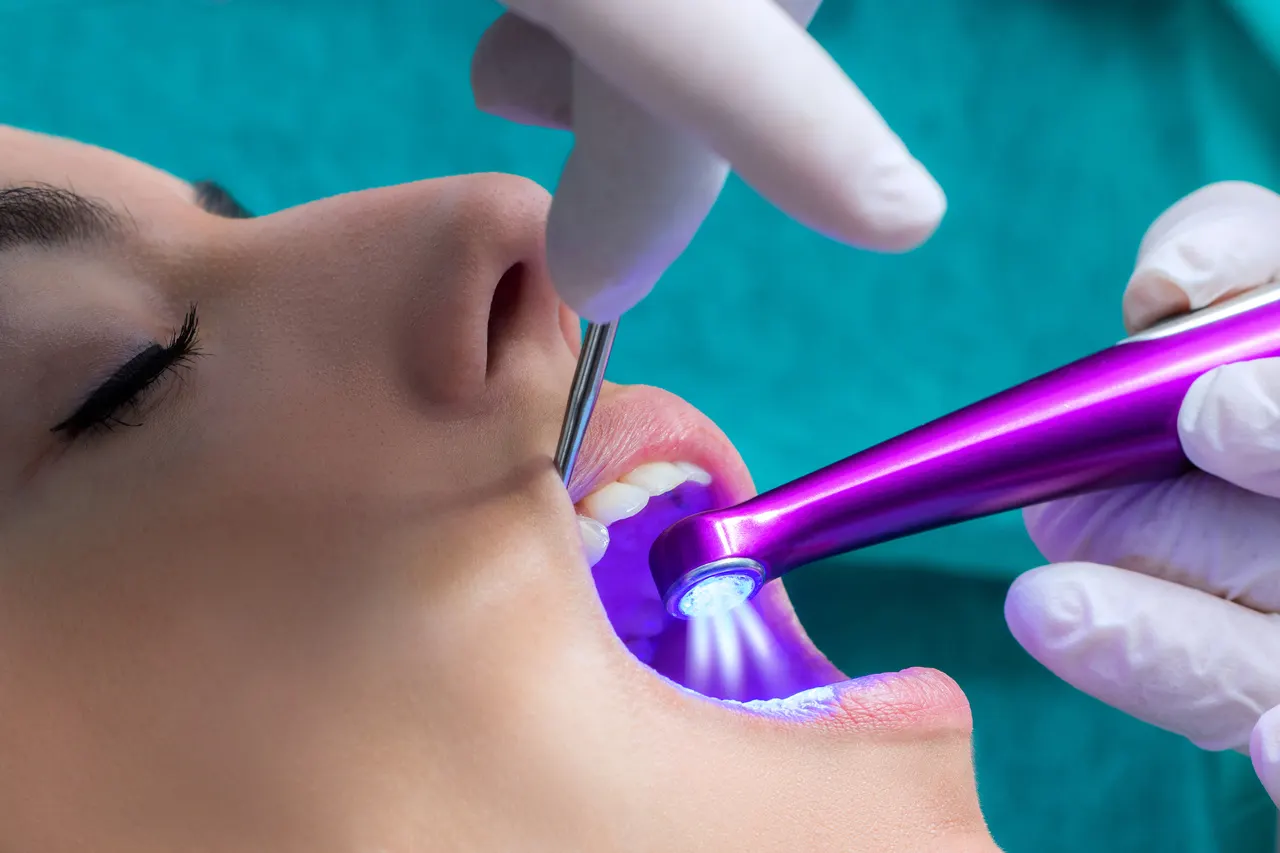
The appointment is quick and easy. First, we clean and dry the tooth. Then we apply a special gel that helps the sealant bond. After a few seconds, we rinse off the gel, dry the tooth again, and paint the sealant onto the grooves. A special blue light hardens it in about one minute. That’s it. Your child can eat and drink right away. There’s no numbness, no recovery time, and no discomfort.
Sealants vs. Fluoride Treatment: Which Does Your Child Need?
Both sealants and fluoride help prevent cavities, but they work in different ways. Sealants create a physical barrier on the chewing surfaces. Fluoride strengthens enamel all over the tooth and can even reverse early decay. Many children benefit from both. Here’s a quick comparison:
| Feature | Dental Sealants | Fluoride Treatment |
|---|---|---|
| What it does | Seals grooves to block food and bacteria | Strengthens enamel and fights acid attacks |
| Best for | Back teeth (molars and premolars) with deep pits | All teeth, especially smooth surfaces and between teeth |
| How applied | Painted onto clean, dry teeth and hardened with a light | Painted onto teeth as a gel, foam, or varnish |
| How often | Once, with occasional checkups every few years | Every 6 to 12 months at a routine visit |
| Insurance coverage | Usually covered for children at 100% | Usually covered for children at 100% |
If you’re not sure what’s best for your child, we’re happy to talk through the options. You can start with a routine cleaning and exam and we’ll check your child’s cavity risk together.
Frequently Asked Questions About Tooth Sealants
Are dental sealants safe for children?
Yes, dental sealants are very safe. They have been used for decades and are made from a medical-grade plastic material. There are no known health risks when applied by a trained dentist.
Does getting sealants hurt?
No pain at all. The procedure is quick and comfortable. Your child will simply have their teeth cleaned, dried, and a thin coating applied. There are no needles or drilling involved.
How long do dental sealants last?
Sealants typically last 5 to 10 years with proper care. We check them at each routine cleaning and can reapply if they wear down. Good brushing and regular visits help them last longer.
Are sealants covered by insurance or Medicaid?
Most dental insurance plans and Medicaid cover sealants for children, often at 100% with no copay. We accept many plans at our Blackwell office. Call or check your benefits to confirm.
Can adults get dental sealants too?
Yes, adults can benefit from sealants if they have deep grooves in their back teeth and no existing decay. They are most common for children, but we do apply them for adults who need extra cavity protection.
We’re here to make your child’s dental visit a positive experience. Our team welcomes new families and takes the time to explain every step. To learn more about how sealants fit into a complete preventive routine, see our pediatric preventive dentistry services.

Ready to Schedule Your Visit?
Whether you need a routine cleaning or are ready to transform your smile, our Blackwell team is here and accepting new patients.